Mt Hutt Ski Area - Carving a Path to Sustainability
April 2026
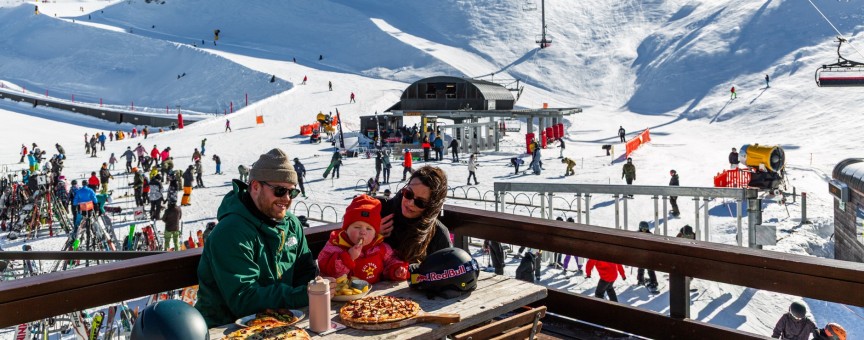
High on the Canterbury Plains, Mt Hutt is more than a ski field—it’s a community committed to reducing its environmental footprint while delivering world-class snow experiences.
The Reality Behind the Snow
Operating a ski area is resource intensive. From snowmaking and lifts to guest facilities, energy use is significant. Add to that the challenges of climate variability and the expectations of thousands of visitors each season, and sustainability can feel daunting.
For Mt Hutt, part of NZSki Ltd, the question was clear: How do we keep the magic of the mountain alive while caring for the environment that makes it possible?
Facing the Challenges
- Energy Demand: Snowmaking and lifts require substantial electricity, and while renewable energy is growing in New Zealand, usage still carries a carbon cost.
- Transport Emissions: Most visitors travel by car or coach from Christchurch or beyond, adding to the carbon footprint.
- Waste Management: High visitor numbers mean managing food packaging, recycling, and landfill diversion at scale.
Rather than shy away from these realities, Mt Hutt embraced them as opportunities for innovation.
Turning Commitment into Action
Mt Hutt’s sustainability journey focuses on practical steps that make a measurable difference. All staff, from lift operators, snowmakers and café staff, are trained with sustainability in mind. Daily operations are guided by simple effective actions such as reducing idle time on machinery and limiting unnecessary vehicle movement. These small every day changes contribute to significant emissions savings over a season.
Guests are also encouraged to follow sustainable behaviour such as carpooling. Guests are seen as a key part of the solution.
Sourcing local food and beverage is a key part of the Canterbury story. It also reduces transport emissions and supports the local economy.
Key initiatives include:
- Energy Efficiency & Renewable Integration
The team has invested in modern snowmaking and snow grooming technology that uses less water, power and fuel. They’re working closely with suppliers to ensure equipment upgrades align with energy efficiency goals. They ensure that their entire operation runs on 100% certified renewable electricity from Meridian and have invested in solar heating for staff accommodation. Swapping out gas equipment for electrical equipment in their F&B operations has further reduced their carbon emissions. - Waste Reduction & Circular Practices
Onsite cafés have removed almost all single-use packaging and replaced it with tableware where possible. The PET range has reduced - transitioning to aluminium and glass bottle packaged beverages. Sorting stations have significantly reduced waste to landfill with organic and recycled waste contamination at an all time low. - Community Engagement
Mt Hutt collaborates with Methven locals and regional groups to promote carpooling and shared transport options. They offer a 50% subsidy on bus transport from Christchurch resulting in three times as many guests using this service. They also have a carpool priority parking initiative to encourage ride sharing up the mounting resulting in a 30% reduction in guest vehicles arriving at peak times. - Carbon Measurement & Offsetting
NZSki tracks emissions across its operations and invests in revegetation projects (over 8800 native trees have been planted to date) and pest eradication to offset unavoidable emissions, reinforcing a commitment to long-term climate action.
Results So Far
While the journey is ongoing, Mt Hutt has achieved:
- Annual greenhouse gas emissions have reduced by 55% since 2022.
- A 42% reduction in landfill waste through composting and recycling initiatives.
- Improved energy efficiency in snowmaking operations, reducing electricity consumption per cubic metre of snow. They’ve seen a 26% reduction in carbon per guest over five years of snow grooming.
- Increased visitor awareness of sustainability, with positive feedback on waste and transport initiatives.
These wins didn’t come without effort. Staff training, upfront investment and continuous monitoring were essential—and they remain part of the long game.
Lessons for Other Operators
Mt Hutt’s experience shows that sustainability isn’t about perfection—it’s about progress. Key takeaways for other tourism businesses:
- Start with what you can control: Energy, waste, and visitor education are great first steps.
- Measure and share: Transparency builds trust and helps identify where to improve.
- Engage your community: Sustainability works best when locals and visitors are part of the solution.
- Celebrate small wins: Every initiative counts toward a bigger impact.
There is not a quick fix to sustainability issues – it’s about consistence, long-term thinking and a team effort. Mt. Hutt’s strength lies in their people, their connection to the land and their commitment to doing the right thing, even when no one is watching. This is how they deliver a mountain experience that’s both unforgettable and responsible, for take and for generations to come.
Why It Matters
Climate change is reshaping tourism. For ski areas, it’s not a distant threat—it’s here today. By acting now, Mt Hutt is not only protecting its future but inspiring others to do the same.
As Ski Area Manager James McKenzie puts it:
“We’re proud of the snow we deliver, but even prouder of the steps we’re taking to ensure future generations can enjoy it too.”
Visit their website for more information.